What is Generative AI?
Generative AI refers to systems capable of producing new and unique outputs. These outputs can range from text and images to videos and audio, often crafted to resemble human-made creations. At its core, Generative AI leverages advanced machine learning techniques to analyze patterns and generate creative results.
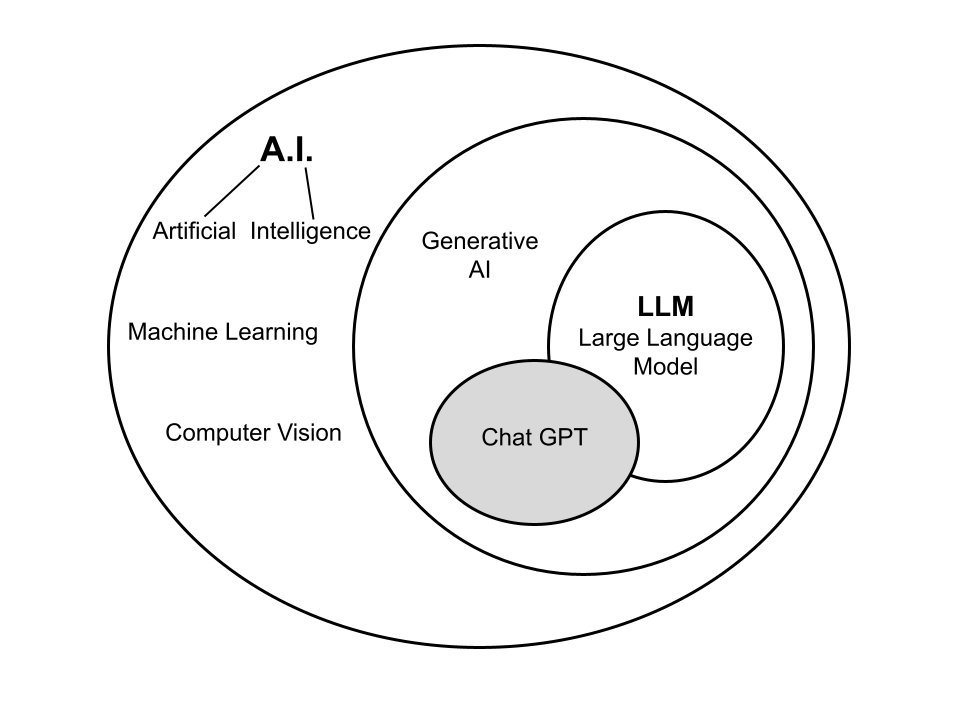
One key technology driving Generative AI is the Generative Pre-trained Transformer (GPT). This model type falls under the category of Large Language Models (LLMs), which are designed to communicate using natural human language. LLMs, like GPT, excel at understanding and producing coherent, context-aware text.
~~~~~~
How Does Generative AI Work?
Generative AI is built on neural networks, which are systems of interconnected nodes inspired by the human brain. Just as our brains consist of approximately 86 billion neurons, neural networks feature millions—or even billions—of parameters, all working together to process and generate information.
When trained on vast datasets, these networks learn patterns and relationships within the data, enabling them to create new content based on what they’ve learned. For instance, a neural network trained on millions of images can generate entirely new pictures that look astonishingly real.
~~~~~~
Model Types and Applications
Generative AI comes in various forms, each tailored for specific tasks. Some common model types include:
– Text to Text: Generating written responses, stories, or summaries (e.g., GPT models).
– Text to Image: Creating visual art or realistic images from textual descriptions (e.g., DALL·E).
– Image to Image: Transforming or enhancing existing images (e.g., style transfer).
– Image to Text: Describing the content of an image in words.
– Speech to Text: Converting spoken words into written text.
– Text to Audio: Producing soundscapes or music based on textual input.
– Text to Video: Crafting video content from textual prompts.
These capabilities are already transforming industries, from art and entertainment to healthcare and education.
~~~~~~
The Limitations and Opportunities
While Generative AI can produce awe-inspiring results, it isn’t without its limitations. The biggest constraint? Your imagination. The quality and innovation of the output often depend on the creativity of the input provided to the system.
Another challenge lies in originality. Since Generative AI relies on training data, there’s an ongoing debate about whether its creations can be truly original or if they’re merely recombinations of pre-existing concepts. For example, Harold Cohen’s AARON, an early generative art program, could produce unique and stunning artworks—but only within the parameters it was programmed to understand.
~~~~~~
From Inspiration to Innovation
Generative AI bridges the gap between human creativity and computational power, opening new frontiers in artistic expression and problem-solving. Whether it’s crafting intricate designs, developing engaging narratives, or composing symphonies, this technology continues to push the boundaries of what’s possible.
As we explore these capabilities, the collaboration between human ingenuity and machine intelligence will redefine creativity itself. With Generative AI, the future of art, design, and innovation is truly in your hands.

ChatGPT Prompt:
Create a blog post about Generative AI using outside information and these few notes:
– Generative AI is AI that generates new or original content
– Biggest Limitation is your imagination
– GPT = Generative Pre-trained Transformer
– LLM = Large Language Model: A type of generative ai that can communicate using normal human language
– Neural Network: a bunch of numbers/parameters all connected to each other. It is similar to the human brain and how the neurons in our brain are all connected.
– 86 billions neurons in the human brain
– model types:
text to text
text to image
image to image
image to text
speech to text
text to audio
Text to video
and follow this format for the blog writing: (inserted binary blog post)